

Community foundations have always been quietly vital. For more than a century, they have served as anchors of local philanthropy, channeling donor generosity toward community need, and stepping in when their communities need them most.
But the sector is at an inflection point. Public funding is tightening, leaving foundations to step up to fill the gap. Donor expectations are shifting as wealth transfers to a new generation with different values and different relationships to place. And a wave of new leadership is entering the field.
We sat down with community foundation leaders to take stock of the moment. Here are six themes shaping what comes next.
1. The Awareness Gap is Getting Harder to Ignore
Community foundations are sometimes referred to as the ‘best kept secret’ in philanthropy, but in an increasingly competitive landscape, staying under the radar introduces risk. Many foundations struggle with recognition even in their own backyards. The ones that have cracked the awareness challenge share a common thread: they’ve stopped describing what they do and started articulating why they matter.
These foundations are leading with impact, connecting donors not just to causes, but to tangible change in the communities they call home. They position themselves as civic anchors, trusted guides, and long-term stewards of place. That kind of identity can’t be easily replicated, and donors are responding to it.
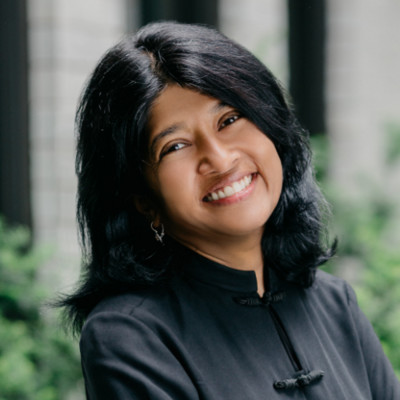
“There’s a lot of pressure on community foundations — with growing community need and donors who have more options than ever for where their dollars go. The community foundations that thrive are those that do the hard work of defining their value clearly: why they matter, why they are uniquely qualified to solve their community’s problems, and how they can mobilize resources when their community needs it most.”
Sampriti Ganguli, Board Member, Center for Effective Philanthropy
2. Communities Are Counting on Foundations to Show Up Fast
When disaster strikes, people turn to trusted local institutions to act. Community foundations are uniquely positioned to be that rapid-response anchor, but only if they’ve built the systems and agility to move quickly.
Minnesota’s community foundations have demonstrated what’s possible when foundations show up fast and take decisive action. That kind of visible, immediate impact does something no annual report can: it reminds an entire community why the foundation exists.
As pressure on the social safety net grows, community foundations have a real opportunity to step forward and assert their importance. The foundations that show up in moments of crisis don’t just provide relief — they deepen the trust that makes everything else they do possible.

“When SNAP benefits were cut, we got together with leaders from other foundations and got the word out among our collective donor populations. This model works better when we work together and start connecting donors to the emerging opportunities.”
Mike Mancuso, President and CEO, Waccamaw Community Foundation
3. Capacity Is the Quiet Ceiling on Growth
Community foundations are hungry for growth, but capacity, not ambition, tends to be the limiting factor. Staffing and structure decisions become critical at predictable inflection points as assets scale, and organizations that miss those moments often stall.
That challenge is compounded by a generational leadership transition underway across the sector: many long-tenured CEOs have retired, leaving a new wave of executives — many from fundraising or other nonprofit backgrounds — to navigate complex operational demands with limited institutional preparation.
The foundations positioned to scale are those that treat technology and talent as linked investments, not separate line items. The tools to drive growth — donor analytics, CRM systems, AI-powered fundraising — are increasingly accessible, but they only deliver when staff have the capacity to use them. That’s the real leverage point: not whether a foundation has the right technology, but whether it has built the organizational capacity to put it to work.
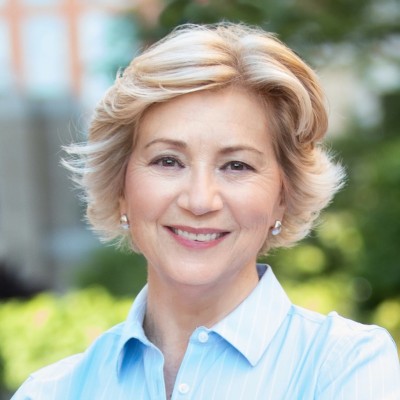
“Growth is within reach for most community foundations. The barrier often isn’t opportunity — it’s capacity.”
Diane Miller, Executive Director, CEONet
4. Democratizing Access to Philanthropic Planning
Community foundations are uniquely positioned to serve donors with diverse, multi-jurisdictional philanthropic interests — but only if they offer the flexibility those donors need. Too often, a narrow focus on keeping dollars local means leaving significant charitable resources on the table. Today’s donors don’t confine their passions to a single geography. They may be deeply invested in a local cause while also supporting their alma mater, international development, or issues that cross state and national lines. A community foundation that can’t help them think holistically about their giving isn’t positioned to be a trusted philanthropic partner — it’s just one more option among many.
Consider a career State Department professional who spent decades in Washington, D.C., but grew up in Iowa. They want to give back to their home-state alma mater, support international development work they care deeply about, and invest in their local DC-area community. A community foundation that can weave those threads together — rather than asking the donor to choose — becomes indispensable. That’s the kind of holistic, relationship-centered approach that enables transformative giving. Anything less risks losing the donor entirely to platforms that will meet them where they are.
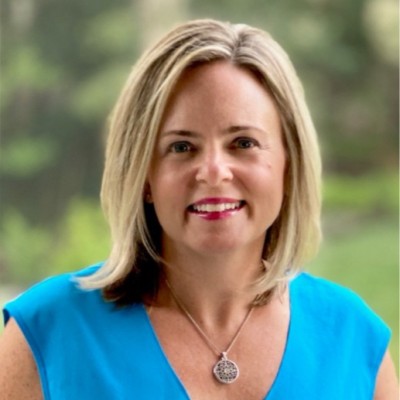
“Any member of a community has a legacy to leave. My concern is that we’re leaving money on the table if we don’t offer a flexible platform for people who want to have impact across multiple jurisdictions and interests. If we can’t pull it all together, we’re losing. Community foundations are uniquely positioned to serve the local community and to also be a connector to the wider world.”
Christy Cole, Vice President & Chief Philanthropy Officer, Arlington Community Foundation
5. DAFs Are an Opportunity and a Challenge
Donor-advised funds are the lifeblood of many community foundations, but also a source of growing tension. Because donors retain discretion over where their DAF funds go, a significant portion of those dollars flow out of the community entirely. It raises a question: can community foundations do enough to keep donors engaged and oriented toward local impact?
Foundations that build genuine, ongoing dialogue with donors, surfacing local needs, sharing community stories, making the case for why their community deserves investment, are far better positioned to keep those investments local. Technology plays a central role here. Foundations that can track fund deployment and do personalized outreach at scale are the ones most likely to keep DAF dollars working close to home.
“DAFs are the lifeblood of many community foundations, but commercial gift funds like have been competing for the same donors since the early 90s; often at lower cost. Community foundations need to articulate why a DAF with them is different and better.”
“DAFs are the lifeblood of many community foundations, but commercial gift funds have been competing for the same donors since the early 90s; often at lower cost. Community foundations win when donors understand that their local community foundation offers the same tools but also inspires smart philanthropy that will move the needle on community issues.”
Diane Miller, Executive Director, CEONet
6. The Most Effective Foundations Aren’t Going It Alone
Historically, community foundations have been territorial; laser focused on the needs of their own community as their singular priority. That’s starting to change. Across the sector, there is a growing recognition that the convener role, bringing together nonprofits, government, and funders to tackle community challenges rather than trying to own the work internally, is where community foundations can have their greatest impact.
Disaster response is a particularly powerful place to start building that capacity. When a crisis hits, the urgency creates a natural opening for cross-sector relationships that can outlast the immediate need. Foundations that show up fast, coordinate well, and bring others to the table don’t just earn trust in the moment — they lay the groundwork for deeper, lasting collaboration long after the crisis has passed.
“Our role is to bring people together — nonprofits, government, other funders — and make sure the work gets done. We facilitate, we fund, but the work gets done by the larger community.”
Mike Mancuso, President and CEO, Waccamaw Community Foundation
eBook
Ready for What’s Next?
The forces reshaping community foundations aren’t slowing down but you don’t have to navigate them alone. Download our free guide to discover how foundation management software can help you face what’s next.
